
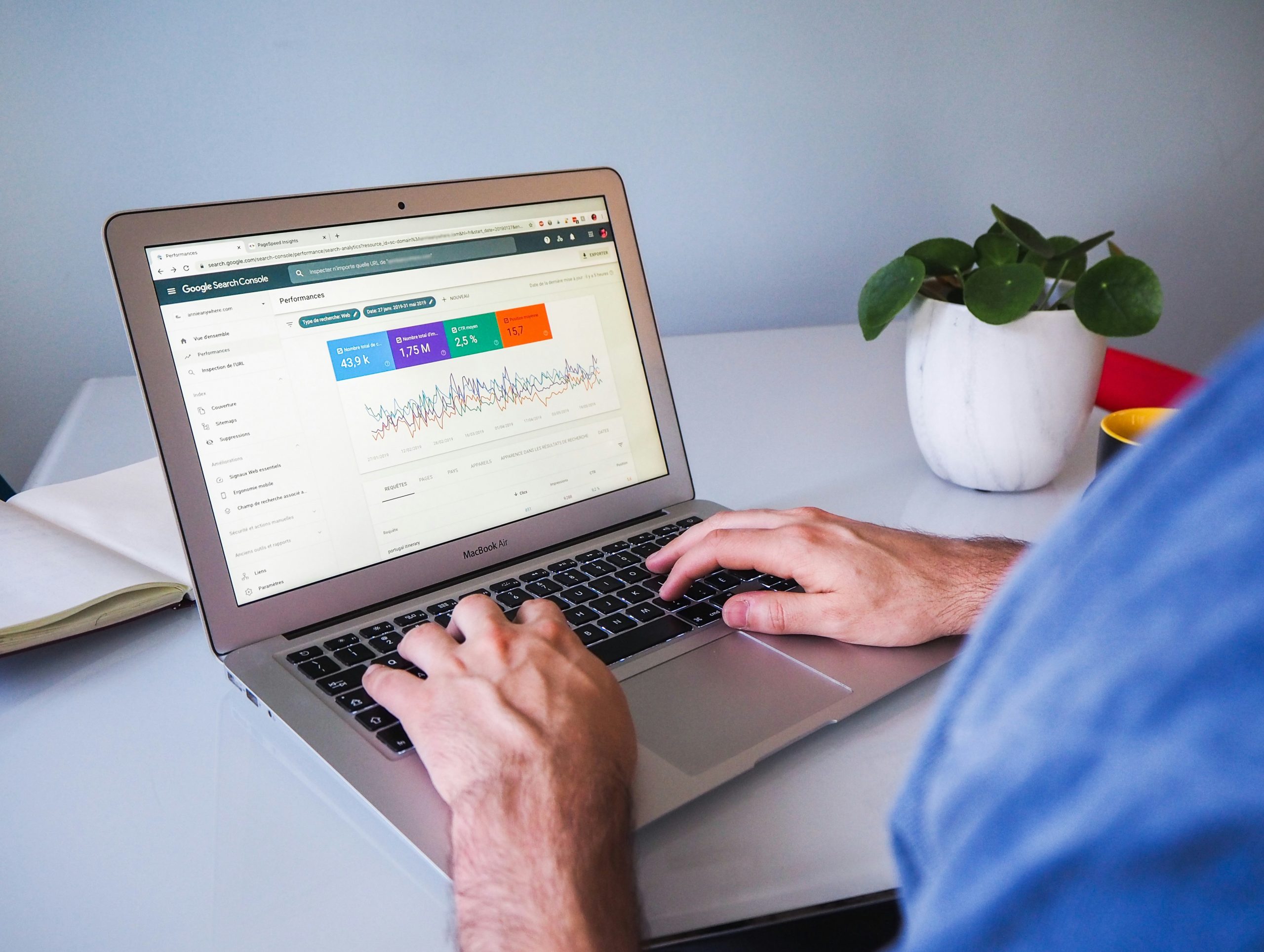
In today’s crowded digital landscape, a well-designed website alone isn’t enough: visibility, usability, and performance matter just as much. At Digital Island, we believe that great design and smart SEO don’t just live side by side; they’re two sides of the same coin.
What Is SEO-Aware Web Design?
SEO-aware web design means creating websites that are not only visually compelling but also built for search engines and users alike. This involves:
Mobile responsiveness and fast page loads — critical for both users and search engines.
Clean URL structures, semantic HTML and logical site architecture.
Optimised images, alt text, and media that enhance performance and accessibility.
A design that supports content structure, navigation and internal linking.
Why Traditional Design & SEO Approaches Fall Short
Many web projects treat design and SEO as separate phases — designers build first, then SEO is added later. That approach often leads to:
Slow, bloated websites that look great but take too long to load.
Navigation or content buried in hidden menus or deep page structures — hurting both users and crawlers.
Missed opportunities because design decisions ignored search intent or how people actually use the site.
Key Areas Where Design and SEO Meet
Here are the crucial overlap areas we focus on at Digital Island:
Performance & Core Web Vitals
Fast-loading, stable layouts with minimal layout shifts and quick responsiveness.Mobile-First Experience
Since Google prioritises mobile indexing, your mobile site must offer the full experience, not a stripped-down version.Site Structure & Navigation
Clear, intuitive architecture means users and search engines find what they need without getting lost.Visual & Content Strategy
The way content is presented (headings, CTAs, visuals) matters for both engagement and SEO.
Best Practices for SEO-Driven Web Design
When building with SEO in mind from day one, we recommend:
Define content strategy, keywords, user journeys and sitemap before layout.
Balance aesthetics with function — design should attract but also guide and convert.
Test, iterate and improve after launch — monitor analytics, heat-maps, speed and indexing status.
Use collaborative tools where design, SEO and development speak the same language (e.g., Figma, Lighthouse, Screaming Frog).
"Google only loves you when everyone else loves you first."
Wendy Piersall, Entrepreneur & SEO Expert
The Future Is Integrated
SEO and design are no longer silos. Tomorrow’s websites will require design, usability, performance, and discoverability built as one. At Digital Island, we’re ready for that future — helping you build digital products that look great and perform brilliantly.
If you’re ready to rethink your website strategy and ensure design and SEO work together (not against each other), let’s talk: Schedule a consultation and let us help you build something that gets found and loved.