
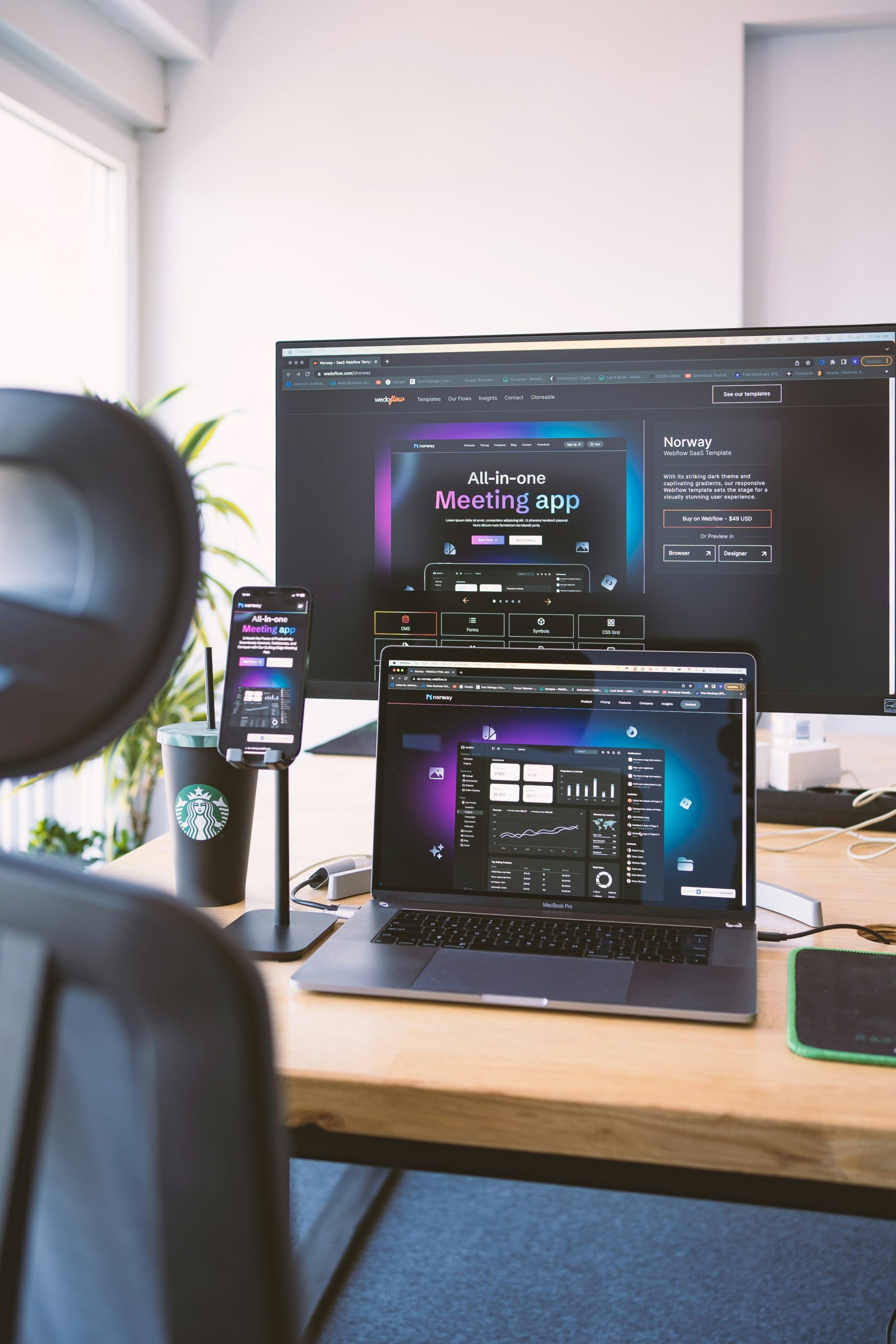
Today’s users expect digital experiences that feel seamless, whether they’re on a desktop at the office, switching to a tablet on the couch, or checking your site on their smartphone. Choosing how you build your site matters. At Digital Island, we help clients pick the right design strategy – either Responsive Web Design (RWD), Mobile-First, or a hybrid approach, based on their goals, audience, and growth plans.
What Do These Terms Mean?
Responsive Web Design (RWD)
This approach starts with a desktop (or “full-size”) layout and “responds” down to smaller screens:
-
One flexible layout that adjusts to the viewport
-
Fluid grids, flexible images, media queries
-
Designed and developed once, with different breakpoints for devices
Mobile-First Design
In contrast, mobile-first means you start with the smallest screen (mobile) and scale up:
-
Design for mobile devices first — simple, fast, efficient
-
Then progressively enhance layouts for tablets and desktops
-
Prioritises performance, lean UI, and mobile user needs
When to Use Each Approach?
Choose Responsive Web Design when:
-
Your audience primarily uses desktops (e.g., B2B applications, internal dashboards)
-
Your project demands complex layouts or detailed content presentation
-
You have an existing site and want to adapt it across devices without rebuilding from scratch
Choose Mobile-First when:
-
Most of your traffic is from mobile devices (e.g., eCommerce, public facing consumer sites)
-
You want to prioritise speed, performance and minimalism
-
You’re building from the ground up with performance metrics and SEO in mind
Designing for mobile means designing for people, everything else is secondary.
Jeffrey Zeldman, Web Standards Pioneer
How Digital Island Approaches the Strategy
At Digital Island, we believe in aligning design strategy to business goals. Here’s our process:
-
Discovery & Insights – We start by analysing user analytics, device trends, and audience behaviour.
-
Define Target Devices – Based on your audience, we choose the primary device strategy (mobile or desktop).
-
Component-Based Design – We build components that adapt, reuse and scale across layouts.
-
Performance & Accessibility First – Especially for mobile-first, we minimise load time, optimise assets and ensure accessibility from the outset.
-
Iterate & Enhance – After launch, we monitor performance (Lighthouse, Core Web Vitals), gather feedback and refine across all device types.
Hybrid or Progressive Enhancement: The Best of Both Worlds
In many cases, a hybrid approach makes sense: mobile-first build with some desktop-specific enhancements. This way you capture mobile users quickly, while still delivering rich desktop experiences.
Progressive enhancement ensures that core content and features work on all devices, while advanced features layer on for larger screens.
Choosing between responsive and mobile-first isn’t just a technical decision, it’s a strategic one. It affects user experience, performance, SEO and your brand impression. At Digital Island, we craft design strategies that meet both your immediate goals and long-term growth.